PARC Campus
A Landscape Designed for Learning, Discovery and Connection
August 2026
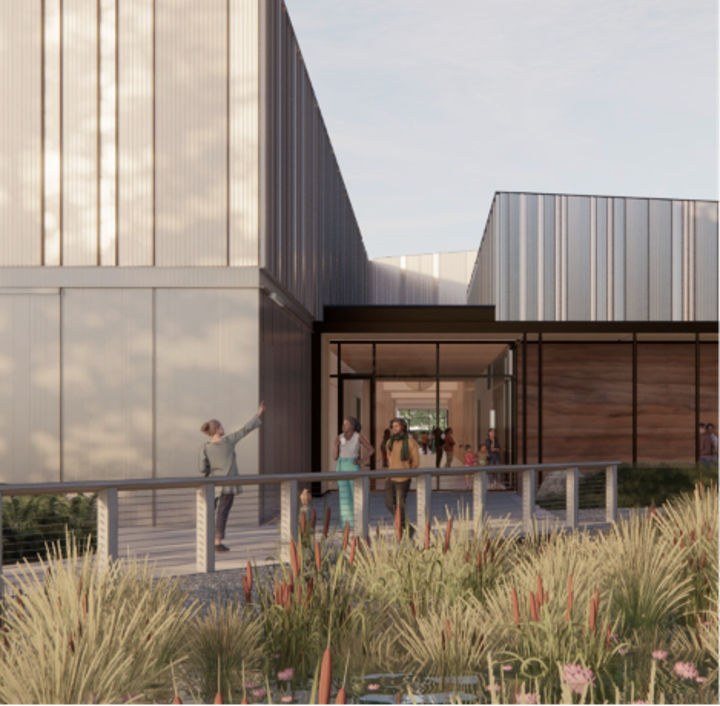
The landscaping features surrounding the PARC Campus building are now complete and the new plants and trees are taking root. The landscape has been designed to be an extension of the building itself.
Rather than simply surrounding the building with gardens and pathways, the campus landscape has become a living demonstration of how buildings, people and ecological systems can work together to create a place where people can experience the restorative and transformative effects of nature—where a school group can learn about a wetland, a family can explore a meadow, a community can gather for an event, or an individual can simply find a quiet place to sit beneath the trees.
By bringing together the building, landscape and ecological systems, the site has created a distinctive sense of place rooted in the Pacific Northwest.
A Living Landscape
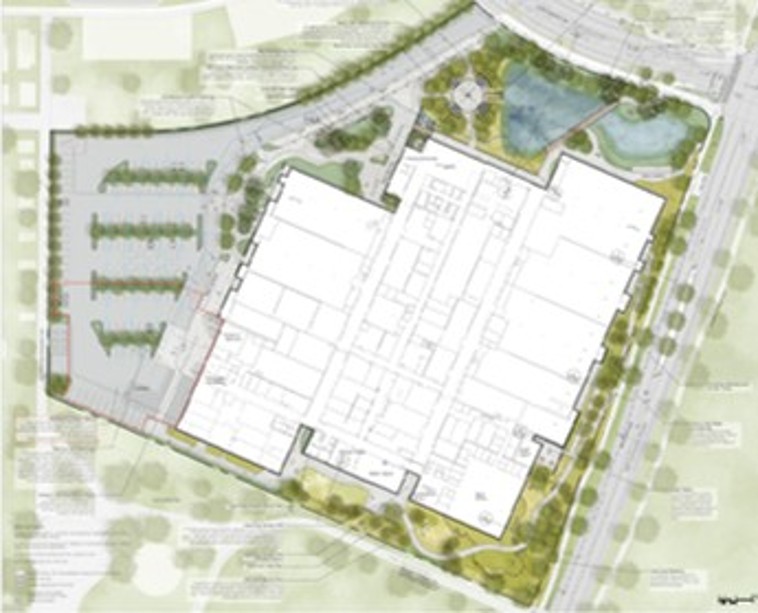
Visitors to PARC Campus will encounter three distinct demonstration landscapes across the site: the Cascadia Pacific Northwest, Garry Oak Meadow, and Wetland/Rain Garden landscapes creating a site-wide learning experience while showcasing the diversity of ecosystems found in the region.
As visitors approach the building, they will be met with a diverse mix of native trees, shrubs, grasses, flowering plants and groundcovers indicative of the pacific northwest ecology. Deciduous and coniferous trees have been planted and combined with varied plant sizes and forms to create the feeling of a natural woodland.
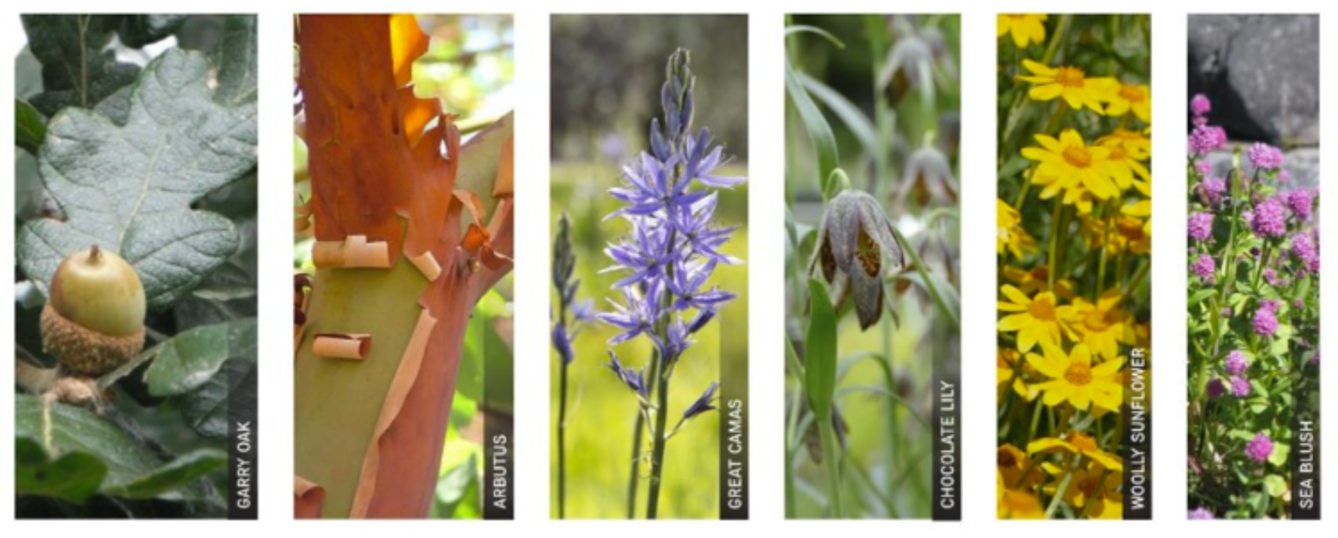
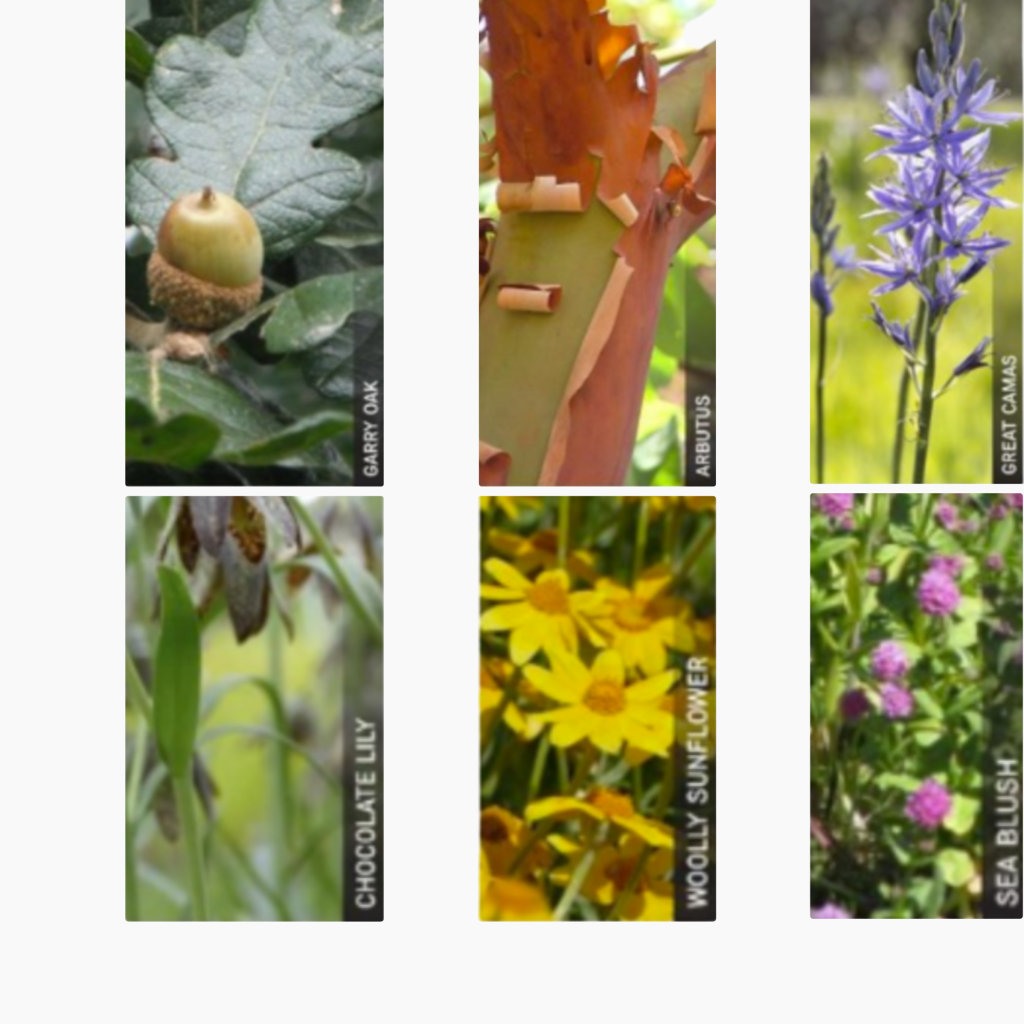
Across the site, a continuous Garry Oak Meadow landscape introduces visitors to one of the region’s distinctive ecosystems. Iconic Garry Oak trees, accompanied by native grassland species, perennial bulbs and flowering plants, and traditional Indigenous plant medicines, form a meadow environment that changes with the seasons.
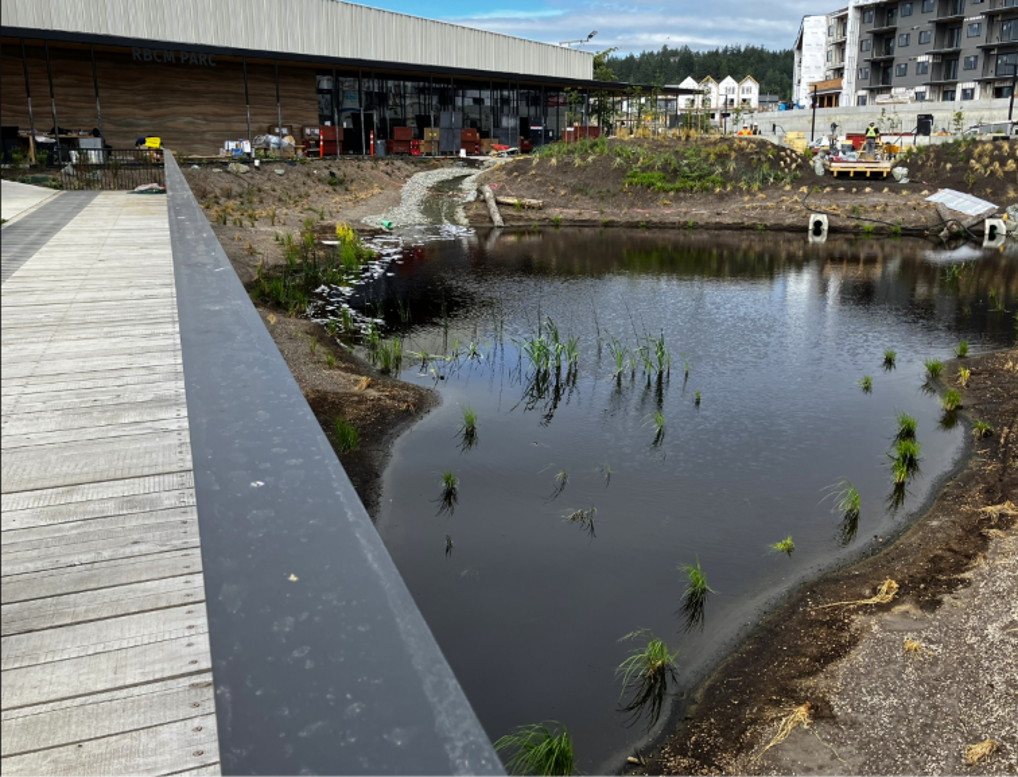
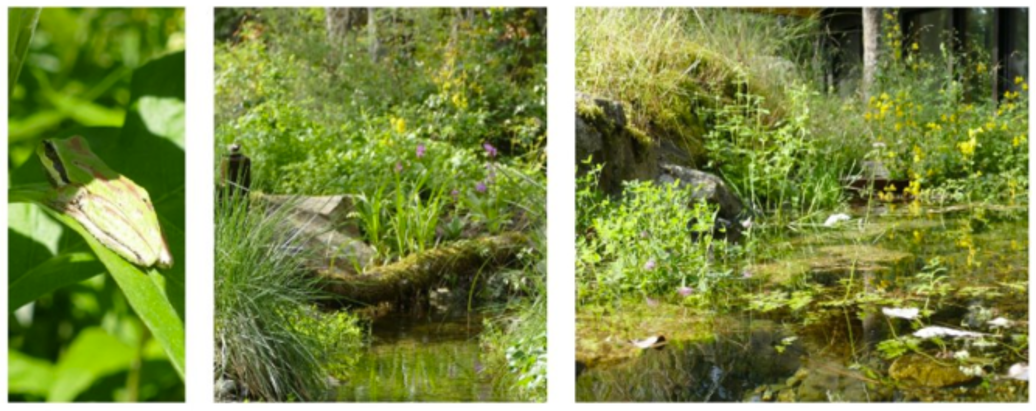
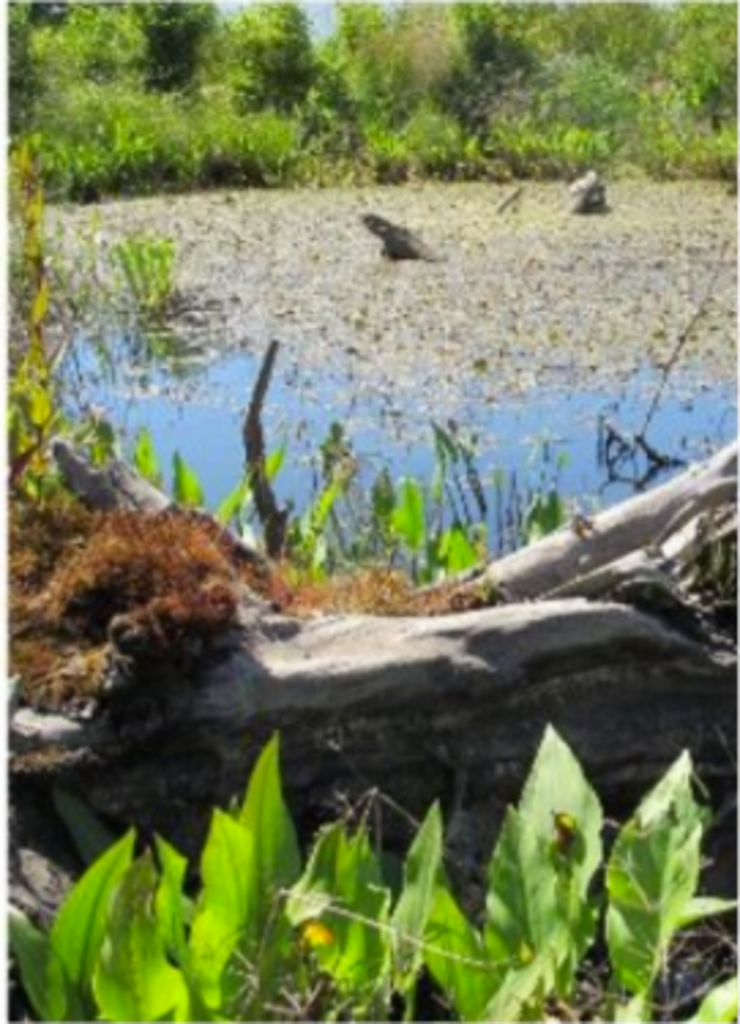
The third landscape is a wetland and rain garden that filters and utilizes captured stormwater from the building roof, parking areas and other hard surfaces and directs the water into the planted landscape system, which can be observed from the wetland observation deck. Views toward the water and surrounding plantings will allow visitors to experience the landscape while learning about the role that wetlands play in a healthy ecological system.
Learning Beyond the Building
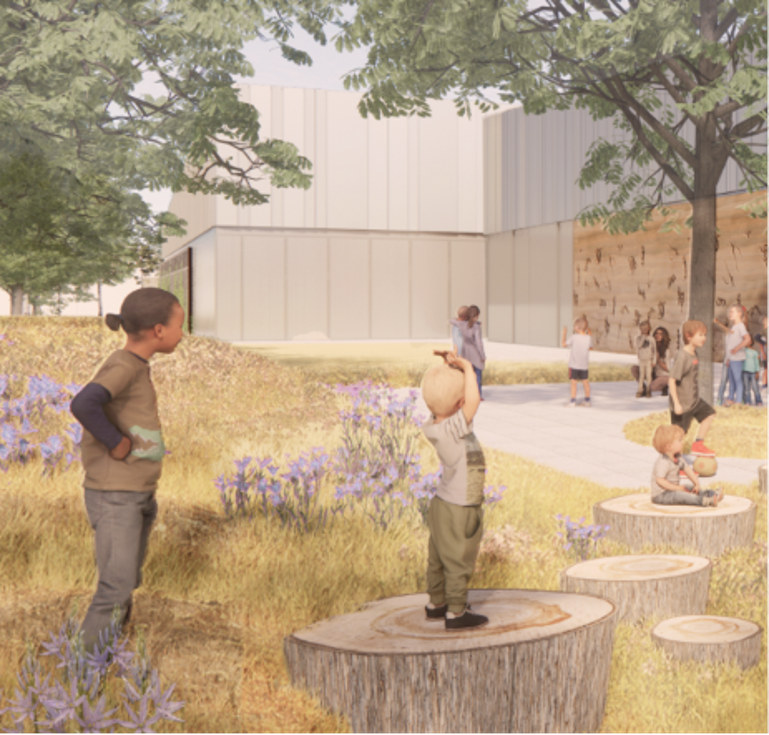
The outdoor environment provides opportunities for learning that continue naturally from the interior spaces. A connected network of accessible pathways leads visitors between outdoor program areas and the demonstration landscapes. Designed for walking, exploration and guided tours, the pathways take advantage of the site’s topography, views and changing microclimates, incorporating places to pause, observe and connect.
Exploring the PARC Campus landscape makes discovery feel natural. A walk across the site might reveal, depending on the season, a meadow in bloom, a Garry oak landscape, birds and insects moving through native plantings, or water collecting and filtering through the wetland system.
Designed for a Changing Climate
The landscape is also intended to demonstrate what a more climate-resilient future can look like. Native and climate-appropriate plant communities form the foundation of the site. The wetland and rain garden systems help manage stormwater, while the diversity of plantings support habitat and biodiversity.
Rather than treating sustainability as something separate from everyday life, the landscape makes these systems visible. Visitors will be able to see how water moves through the site, how plants respond to different conditions, and how diverse ecological communities can support a healthier environment. In doing so, the site becomes a demonstration of the transition toward a greener society and an invitation for everyone who visits to think about their own relationship with the environment.
A Place to Experience Nature
The PARC Campus landscape is designed not simply to be looked at, but to foster belonging and attachment as the three ecosystems grow and mature over time. PARC Campus demonstrates how our built environments can become partners with nature – creating healthier places for people, supporting biodiversity and helping us imagine a more resilient future.